

The latest company news, product developments, partnerships and industry milestones from the Hazero team.
Articles


Legislation on Dangerous Goods Storage

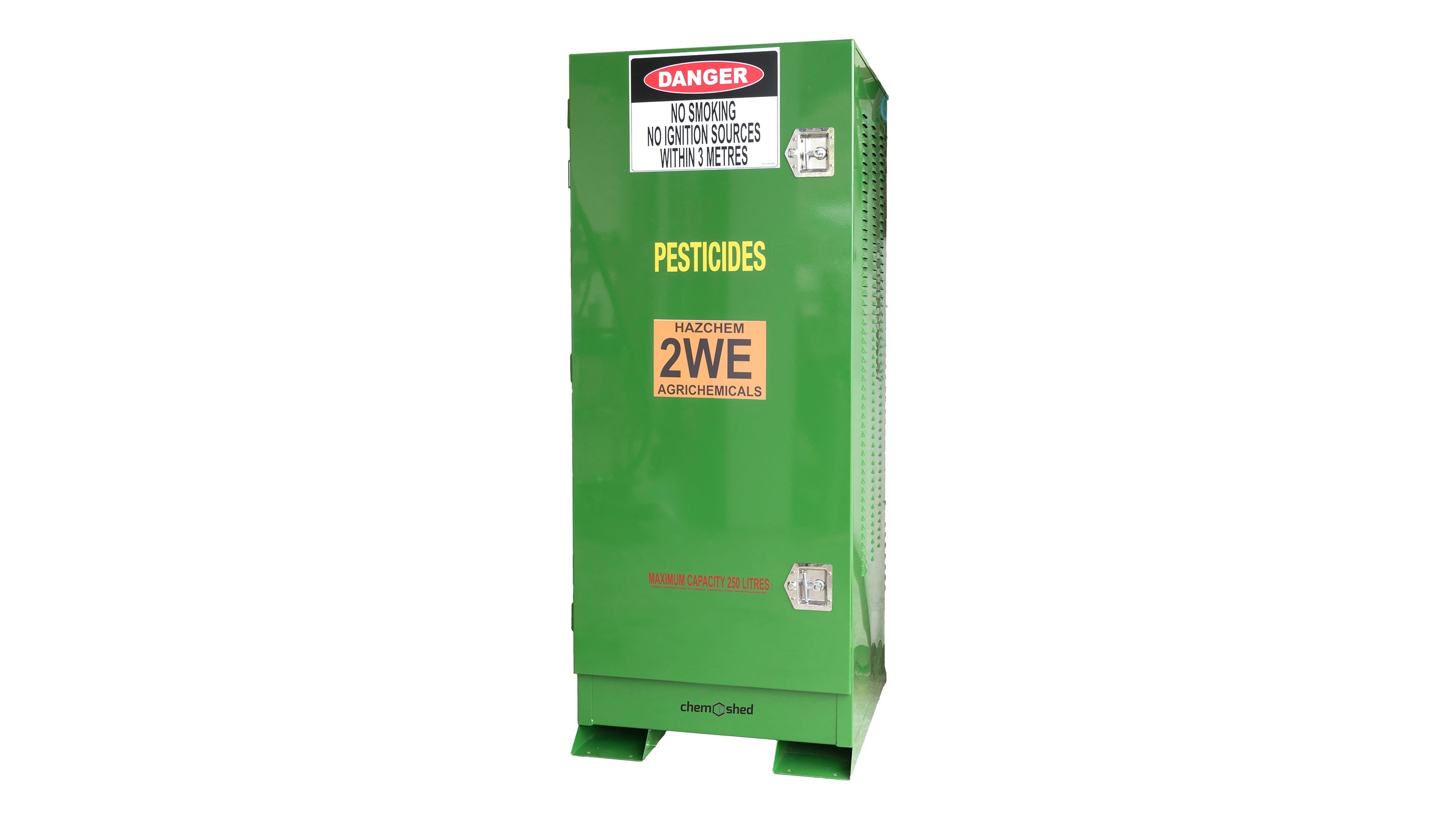
Outdoor Dangerous Goods Cabinets
Many workplaces only carry small amounts of dangerous goods, which means they can be safely and compliantly stored indoors, in most cases within dedicated indoor storage cabinets. While larger amounts can be stored inside, this is often prohibitive as it mostly requires the construction of very costly, purpose-built, fire-rated rooms.
For most workplaces storing larger containers (200L drums, 1,000L IBC’s) or larger overall quantities, of dangerous goods, the most effective solution is to store them outdoors, in a dedicated DG Store.

Differences between Loose Absorbents and Sorbents
Read moreabout Differences between Loose Absorbents and Sorbents
Indoor Dangerous Goods Cabinets
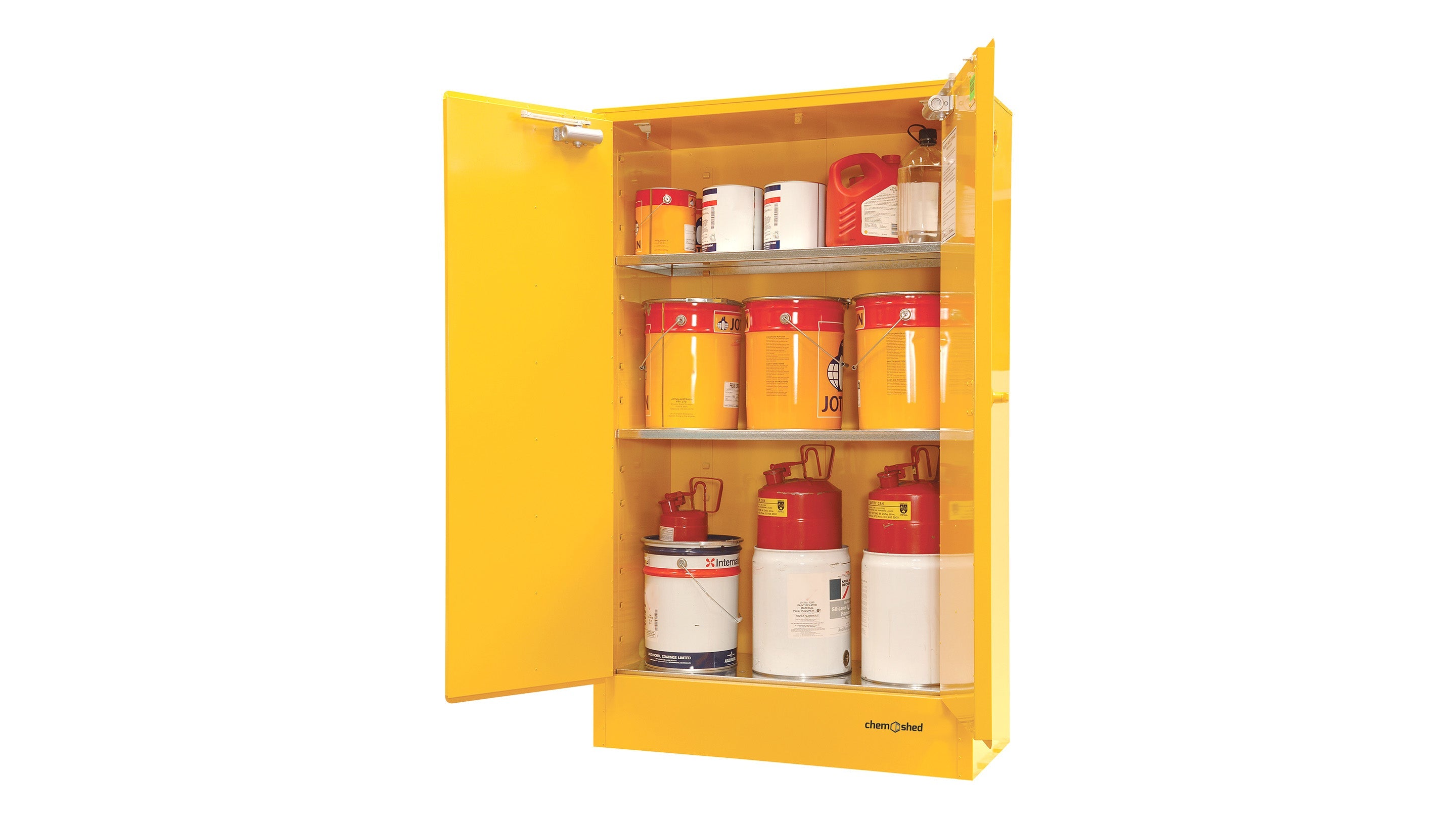
Dangerous goods include substances that have explosive, flammable, toxic, infectious, corrosive or environmentally hazardous properties, and containers that have held dangerous goods
Storing dangerous goods safely is an important part of protecting you and the environment that you work in. This includes storing only what you need, ensuring that incompatible substances are not stored together, and that decanted substances are stored in the correct type of container and labelled accordingly. Where and how you store those hazardous substances is critical, and this will depend on both the class of substance and the quantity.
IBC Modular Spill Pallets – An Overview
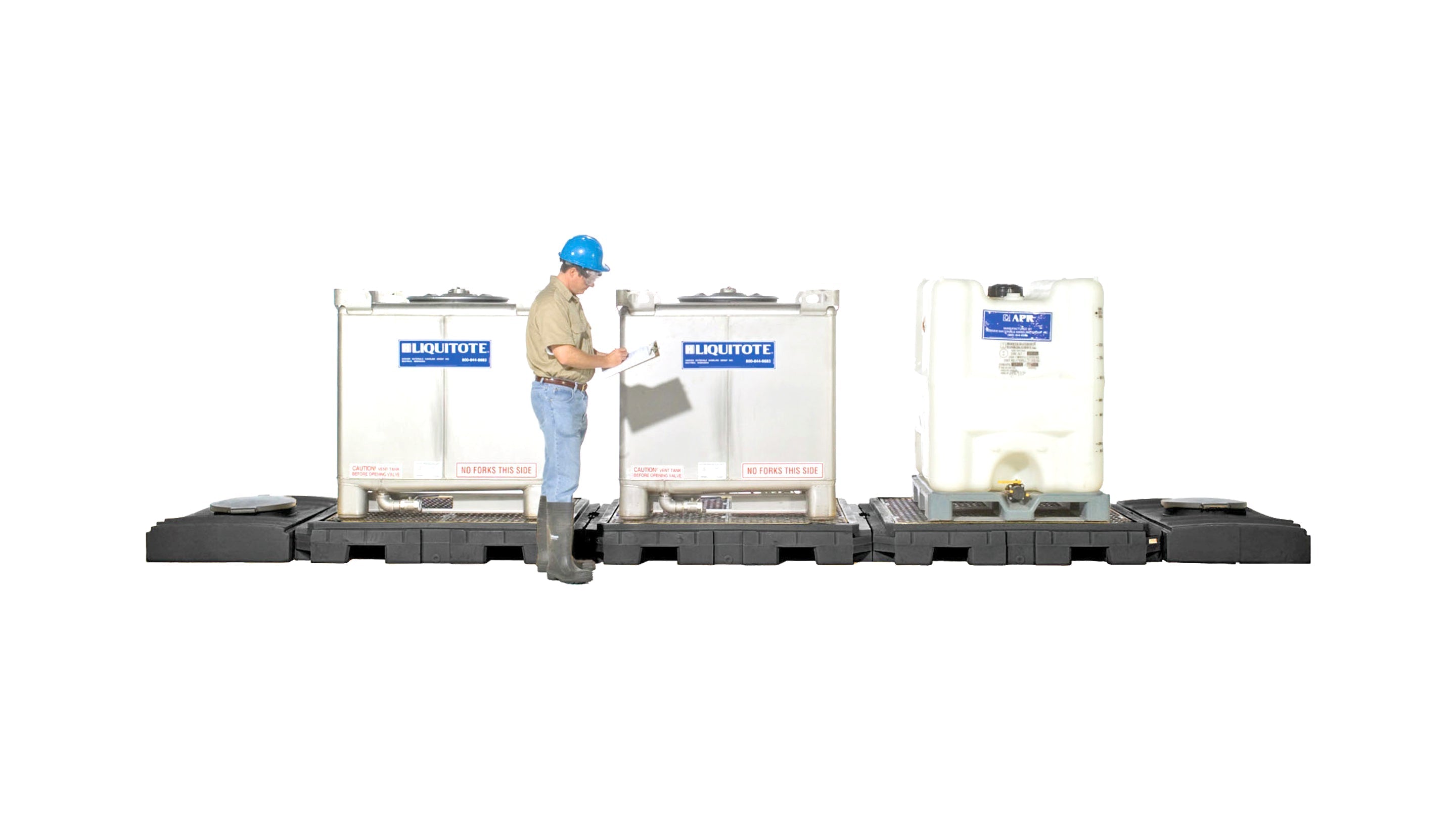
Spill Pallets are in most cases, the most effective way to store containers of hazardous liquids in accordance with secondary containment regulations. In the past, costly and permanent fixtures such as concrete block walls were the only solution, the introduction of Spill Pallets has made compliance much more economical and easier to achieve, as well as being safer and more practical to use.
IBC spill pallets are typically quite tall, due to the requirement for a sump capacity of at least 1,100 litres (L), meaning the IBC can be up to 1 metre (m) off the ground. While this might work well for decanting purposes, there are risks when loading, unloading, and working with 1,000L of hazardous liquid at that height.
Staying Safe When Storing Flammable Liquids in The Workplace
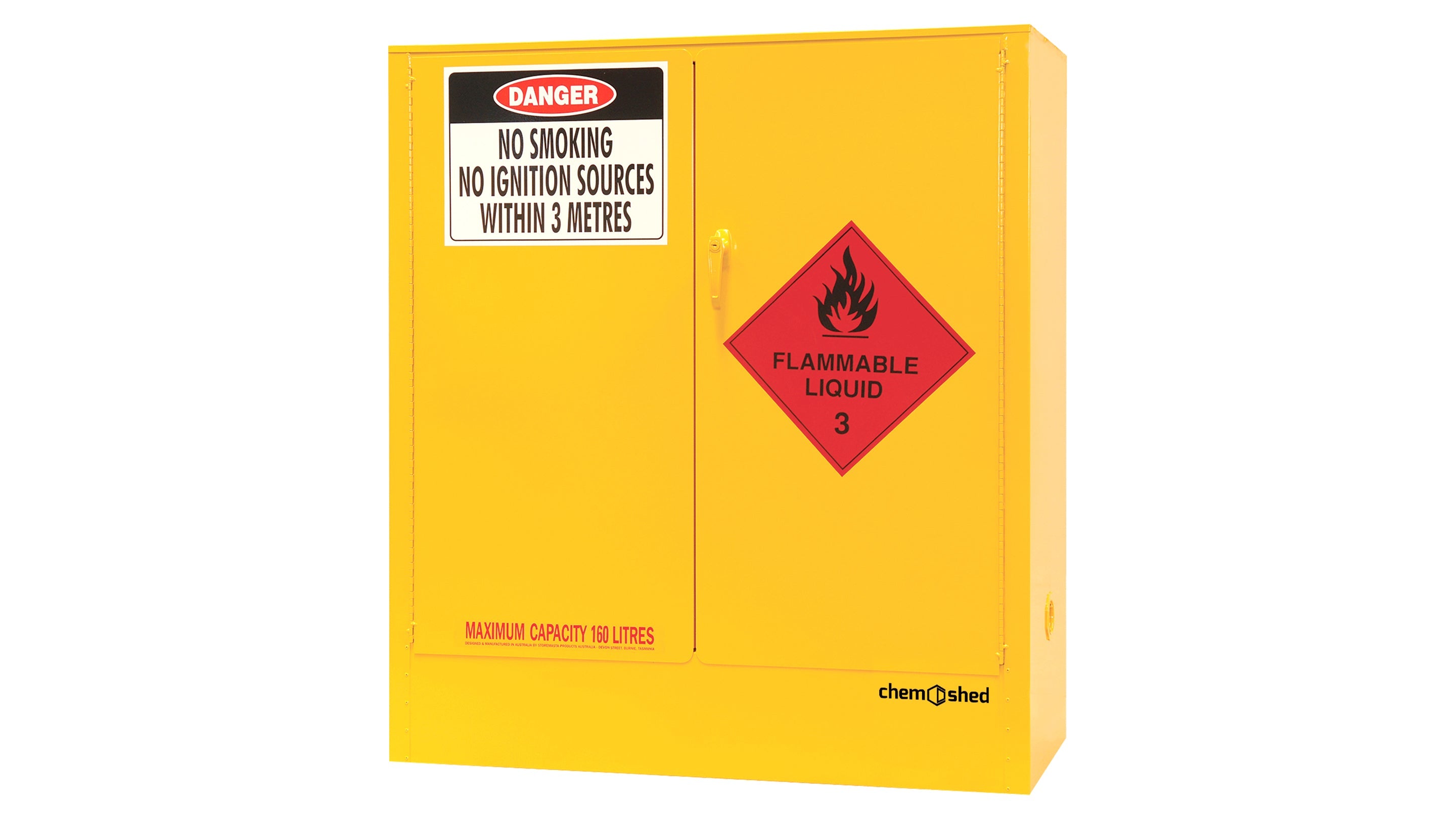
Flammable storage cabinets serve a number of key purposes.
Heat resistant
They provide a heat-resistant enclosure of flammable liquids, preventing or containing the destructive effects a fire might ordinarily have, on both your staff and your business operation
Compact size
They are relatively compact which means a cabinet can often be situated in close proximity to where the liquids are used, creating numerous efficiencies compared to centralised storage
Secure storage
They can also help clean up untidy storage areas, allowing you to secure and isolate flammable liquids from those that are harmless or non-compatible – or from people that shouldn’t have access to them.
Read moreabout Staying Safe When Storing Flammable Liquids in The Workplace
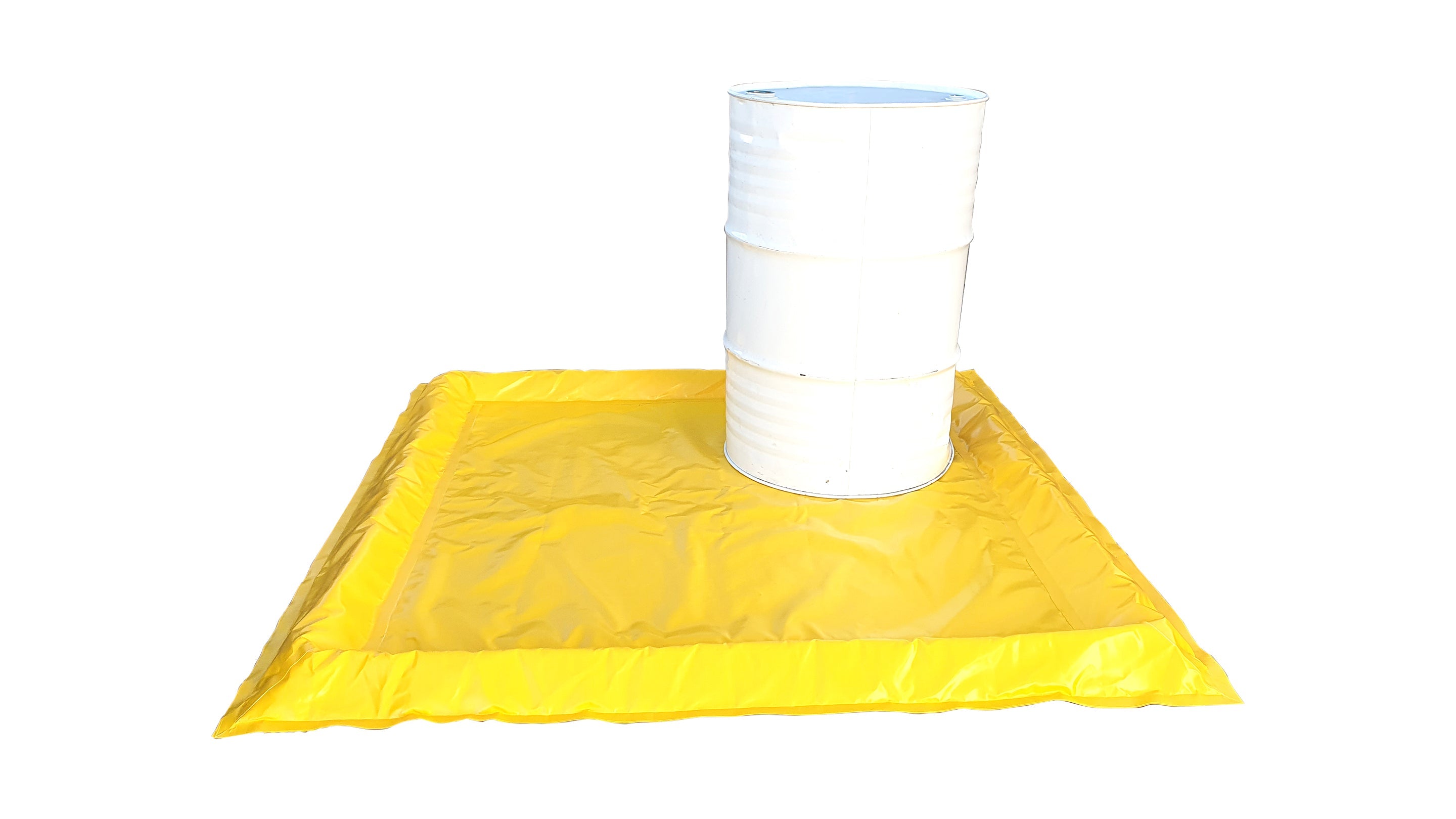
Spillpals are a form of flexible secondary containment and designed to create an area of secondary containment for small containers, drums and through to larger IBC’s. They are very easy to unpack and deploy, and then just as easy to fold back up and return to storage after use.