

The latest company news, product developments, partnerships and industry milestones from the Hazero team.
Articles
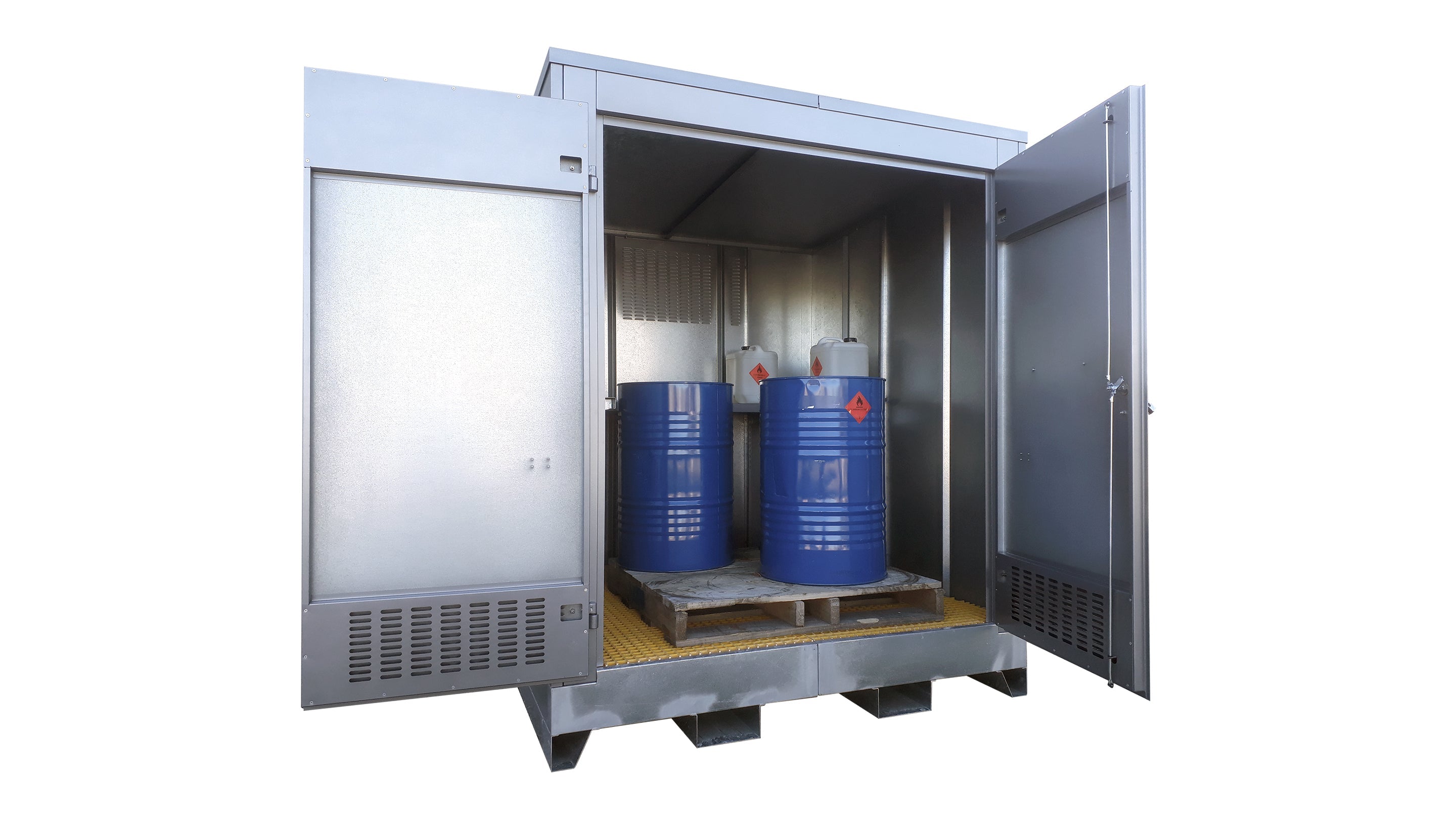
Many workplaces only carry small amounts of dangerous goods, which means they can be safely and compliantly stored indoors, in most cases within dedicated indoor storage cabinets. While larger amounts can be stored inside, this is often prohibitive as it mostly requires the construction of very costly, purpose-built, fire-rated rooms.
For most workplaces storing larger containers (200L drums, 1,000L IBC’s) or larger overall quantities, of dangerous goods, the most effective solution is to store them outdoors, in a dedicated DG Store.
An outdoor store is required in situations where the quantity of hazardous substances held onsite, is more than what can be safely stored within indoor storage cabinets.
Having an outdoor store can also benefit a business that wants to reduce risk or limit access to their substances and have them stored further away from production or operational areas.
What is a Safety Shower?
A safety shower is a plumbed-in fixture designed as a first response measure to wash-down personnel that have been splashed or doused in a hazardous liquid or substance.
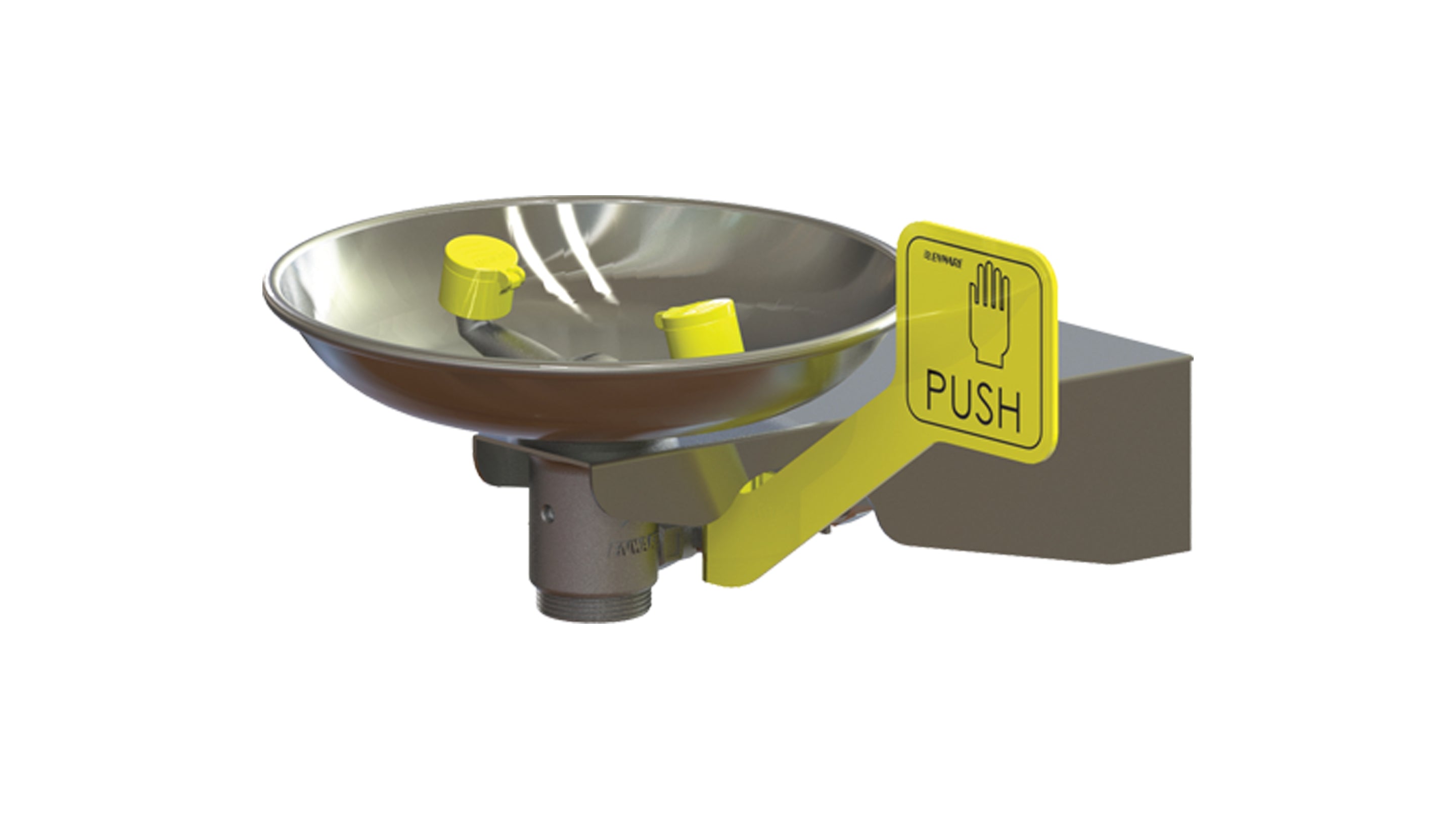
What is an Eye Wash/Face Wash unit?
An eye wash is either a permanent plumbed-in fixture or mobile unit designed as a first response measure to wash the eyes and/or face of a person that has been splashed by a hazardous liquid or substance.
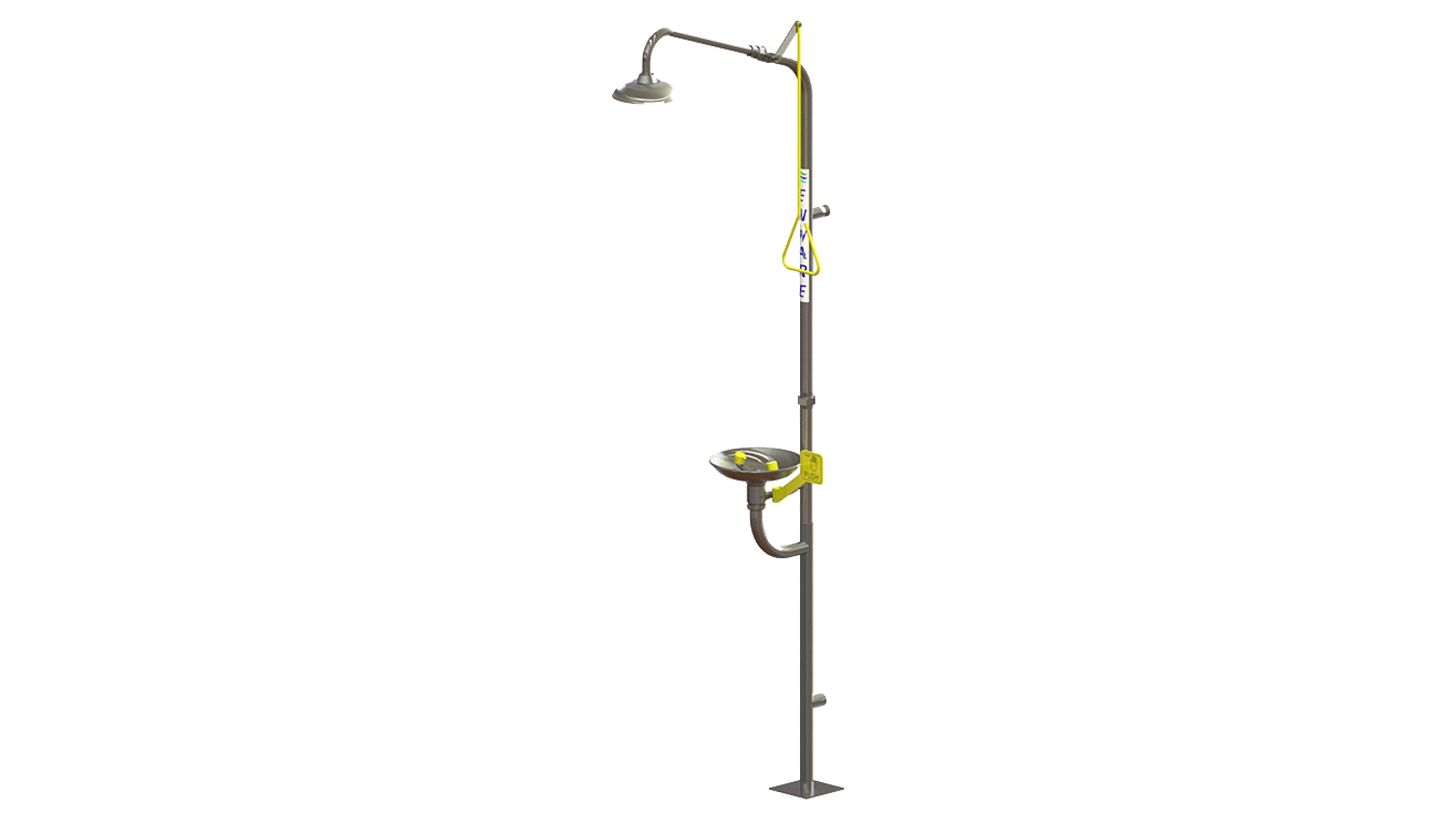
What is a Safety Shower?
A safety shower is a plumbed-in fixture designed as a first response measure to wash-down personnel that have been splashed or doused in a hazardous liquid or substance.
What is an Eye Wash/Face Wash unit?
An eye wash is either a permanent plumbed-in fixture or mobile unit designed as a first response measure to wash the eyes and/or face of a person that has been splashed by a hazardous liquid or substance.

Spill Absorbents – An Overview
Spill absorbents are any material that will safely and reliably soak up spills of a hazardous nature. However, the key words here are safely and reliably and many materials are risky when used in hazardous situations. To that end, we have grouped our solutions into 3 types that rise to those measures:
- Loose Absorbents
- Polypropylene Sorbents
- Organic Sorbents
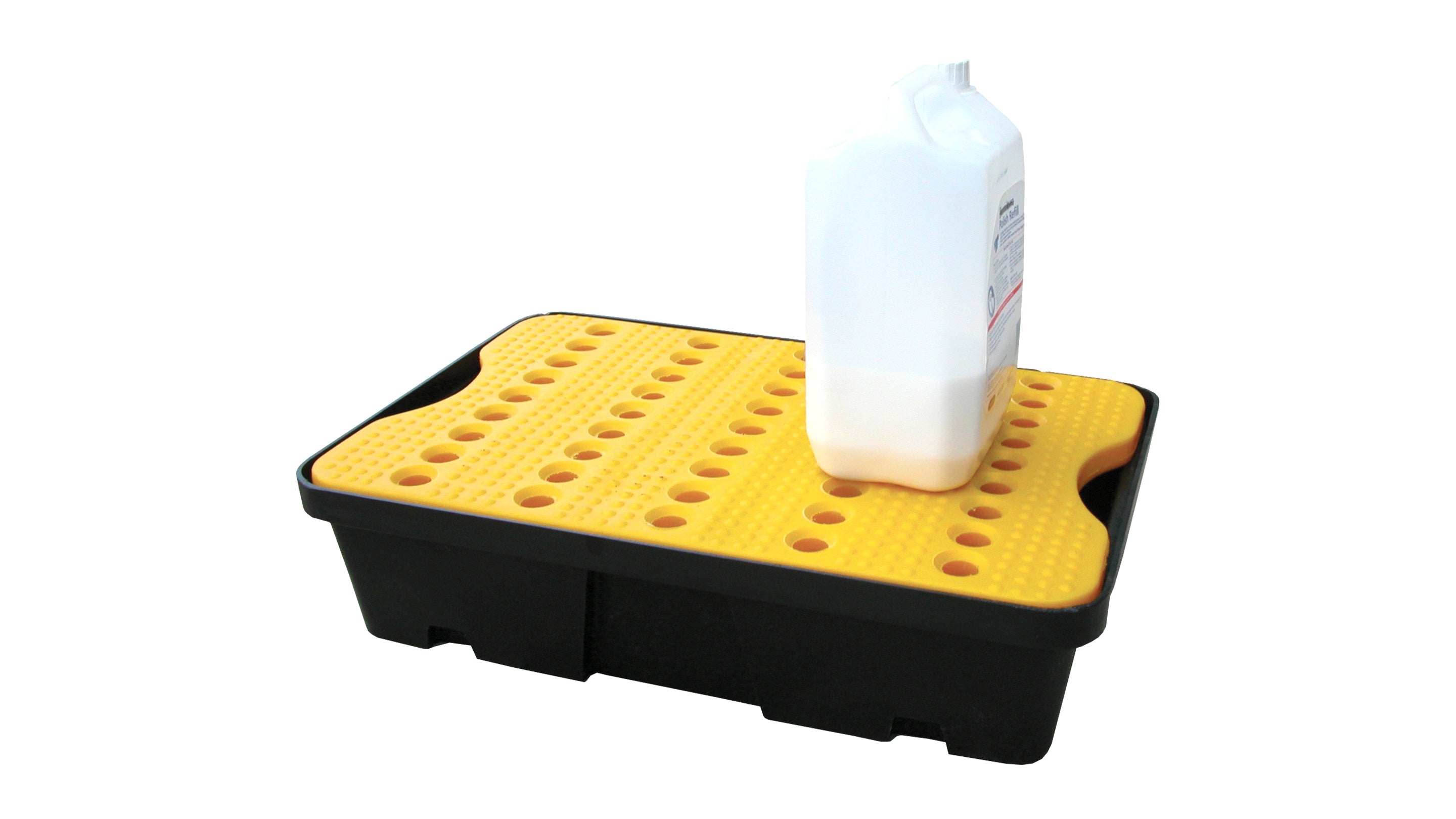
What Is Secondary Containment and When Is It Required?
In the many workplaces storing or using hazardous substances, the primary containers that hold such liquids are vulnerable to damage. This vulnerability can come from poor storage practices, mismanaged decanting or transfer procedures, or damage from vehicles such as forklifts.
A secondary containment system is often required to contain these hazardous liquids if they escape from the primary container, and to prevent them from escaping into the wider environment.
That environment might be the immediate workplace and therefore may put employees and other personnel at risk. Or it might be a nearby waterway which will quickly pollute and impact marine and bird life, as well as their ability to be used for domestic, commercial or recreational purposes.
Read moreabout What Is Secondary Containment and When Is It Required?
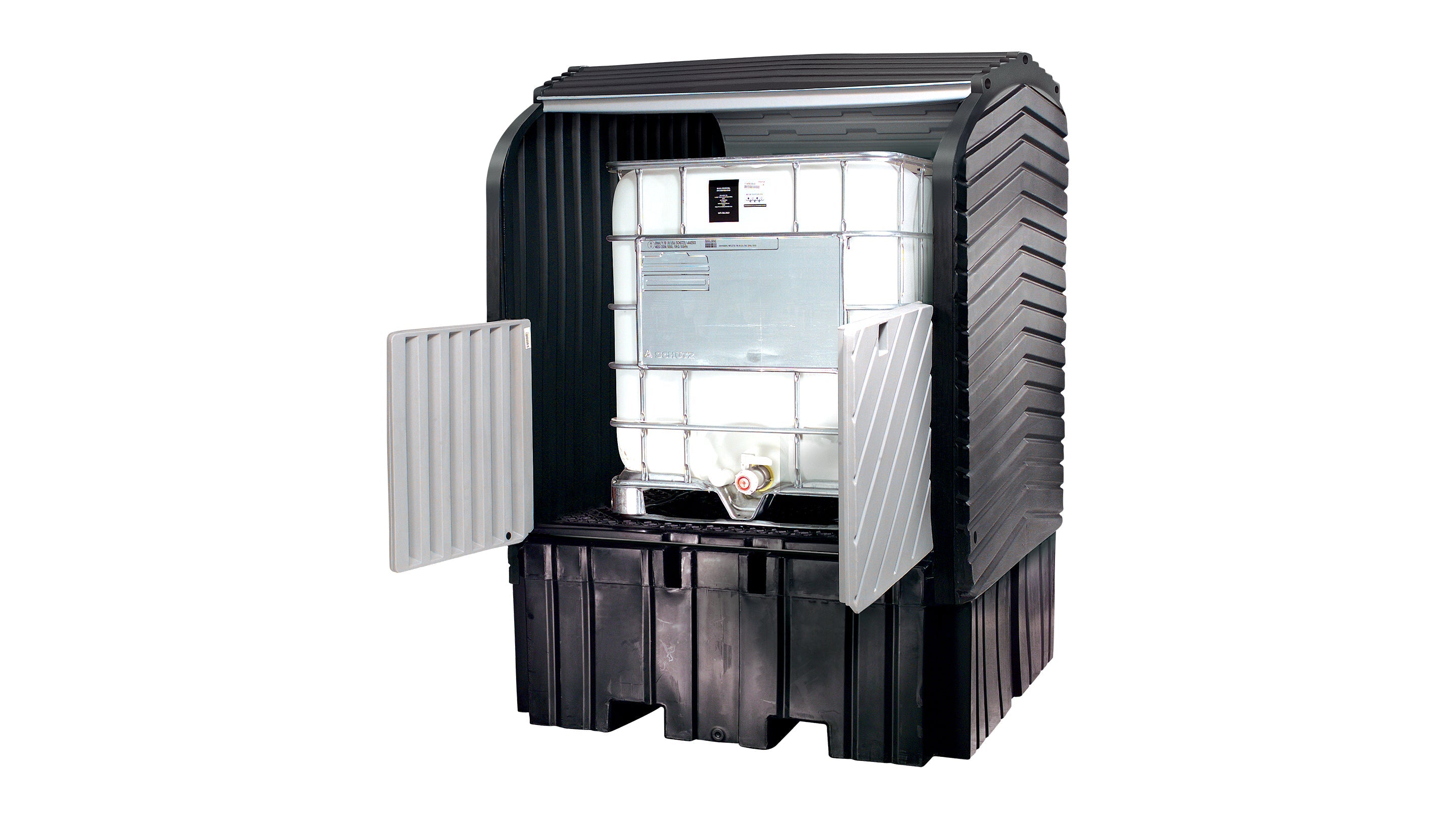
Secondary Containment for Oils
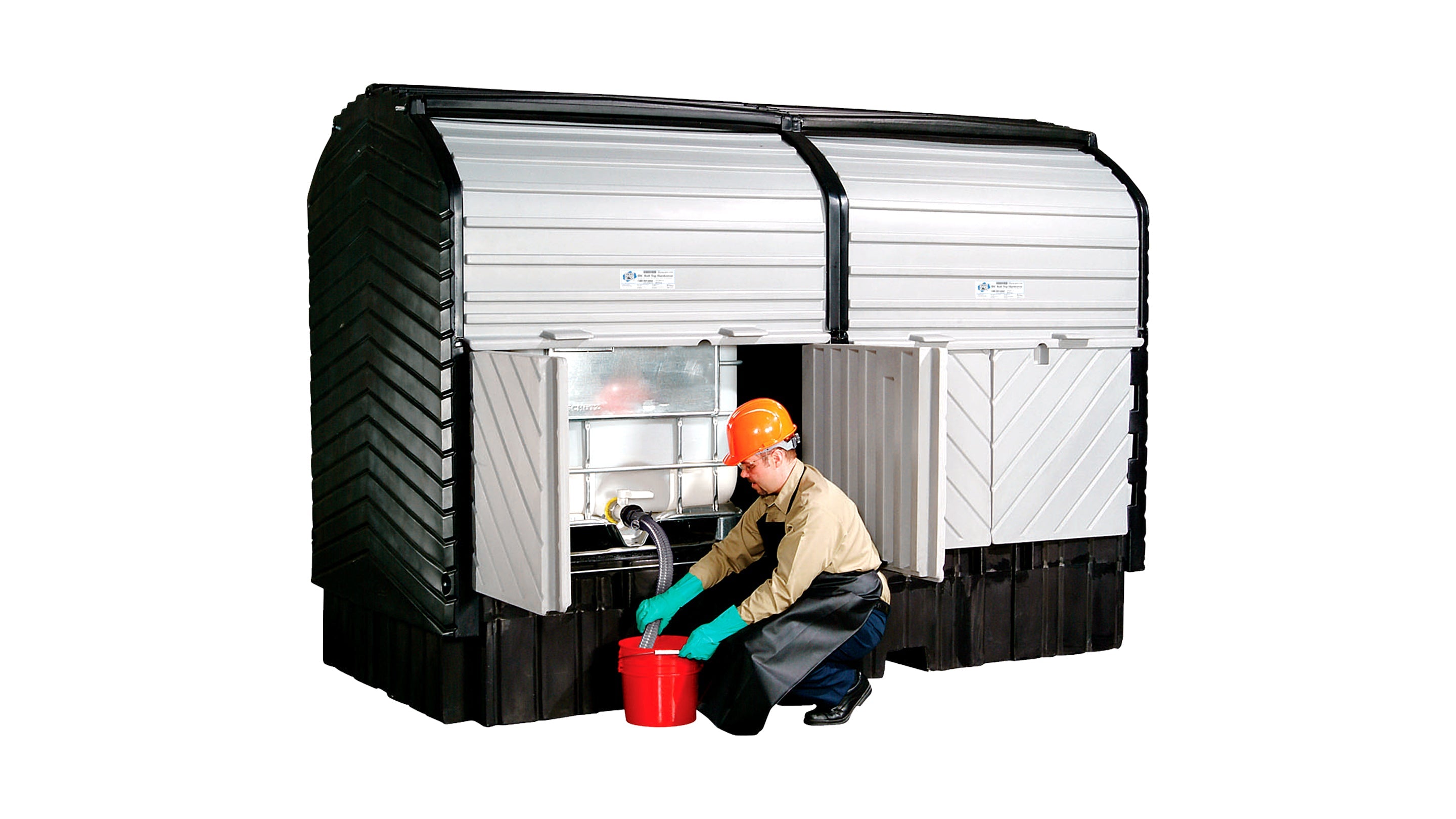
Weather Proofing Your Secondary Containment System
Read moreabout Weather Proofing Your Secondary Containment System